Interview: The New Electric-Ready Marine Powertrain from Volvo Penta

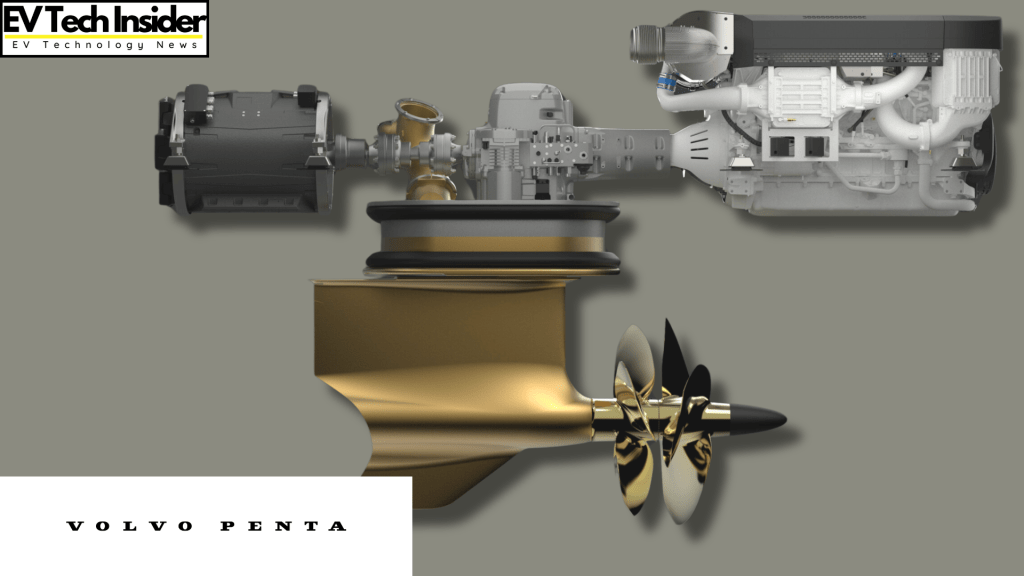
Volvo Penta’s new marine drivetrain, the IPS Professional Platform (Inboard Performance System) is capable of powering vessels up to 55 meters at top speeds of 12-50 knots, with electric & hybrid capabilities.

Highlights of the new platform include:
  • Intelligent dual power drive system: Installed as a twin, triple, or quad system, each vessel can have four to eight power sources. It’s prepared for fully electric/hybrid power, renewable diesel, or HVO.
  • Future-Proof: Vessels can be designed with today’s ICE technology, and upgraded to electric or hybrid in the future without the need to redesign or scrap a vessel. 
  • Smart Eco Mode: Automatically starts/stops individual engines based on the power needed for a given situation, optimizing fuel consumption, running hours, and service life. 
  • Advanced Sensors: Vibration sensors that provide data to help us make better decisions around maintenance and what captains should be reacting to. 

Could you walk us through the IPS platform? 

Thanks!

You should receive an email from Jeremy@EVTechInsider.com

Can you check to make sure you received it? 

The IPS is a three-layer product: the powertrain in the vessel, the electronics umbrella, and integration at the helm. 

It’s a forward-facing drive system, inserted through the hull, with counter-rotating dual propellers, and the drive unit is an integrated rudder itself. The system can be installed as double, triple, or quadruple drive, what we call ‘IPS legs’, each individually steerable and the complete system gives up to a 30% reduction compared to a traditional inboard shaft installation. 

Inside the boat, you have an electronics layer that integrates both the steering of the parts and the power control, integrated with the helm station. We supply the steering wheel, throttle, joystick, navigation screens, gauges, etc. which we call the ‘glass cockpit’.

We don’t consider ourselves just a marine drive supplier, we’re more of a marine technology company supplying one integrated propulsion package. 

Can you talk about the new updates? 

We created the IPS platform about 20 years ago, and since then it’s become the market leader for yachts up to 120 feet but with the IPS Professional Platform, Volvo Penta will be able to support yachts up to 180 feet. The Professional Platform has added a few new key features:

Increased Size and Power

We’ve scaled the size up from 22 meters to 55 meters in serviceable length, capable of 12-50 knots thanks to the enhanced propellers, gear ratios, and twin drive input for each IPS drives. Since the vessel can have two, three, or four IPS drives in parallel, each with twin inputs, you have four, six, or eight power sources driving the vessel. 

Eco Mode

The IPS Professional Platform has an intelligent ‘Eco Mode’ that automatically switches engines on or off depending on the power needed in that situation. For example, if you are navigating out of a harbor, you don’t need a lot of power, so the system will only use one single engine and switch the others off. It monitors the service life of each engine and adjusts accordingly to keep them in sync. If one engine has 90 hours, and another has 110, the system will start with the 90-hour engine to maintain balance. This feature not only saves fuel/increases range but reduces the wear and tear to extend the service life interval, saving operators time and money. 

Advanced Sensors

We’ve embedded vibration sensors which are a good indication of whether you have a problem. Data from the vibration sensors gives us new opportunities in the testing phase of our vessels and we’re beginning to learn what type of input from sensors we want and what we should be reacting to. 

Electric and Hybrid Capabilities

The next phase we’re working on is to replace one or both of the twin-engine inputs with electric motors, giving you a lot of powertrain flexibility because they can be fed by gensets (generator sets). Gensets may run on conventional diesel, but ours are certified for Hydrotreated Vegetable Oil (HVO), which could reduce carbon footprint by 90-95% depending on the HVO specification. We’re also working on integrating battery packs and fuel cells as additional power sources.

Space savings onboard

What are some of the challenges in designing electric marine vessels? 

Depending on the vessel and use case, there’s a wide range of marine power requirements. For instance, a ferry vessel is predictable going from point A to point B back and forth, and battery power with fast charging is a potential sustainable solution. However, for a super leisure yacht, the use is unpredictable and you’d likely add flexible backup power sources such as fuel cells or backup generators. 

Another challenge for fully electric vessels is that it’s typically around a hundred times more energy to push a boat through water than to roll a vehicle down the road. When you translate that into battery power, today’s battery power density isn’t enough to accommodate a full day on the water… yet. That’s quickly changing, and Volvo Penta is continuously building prototypes to experiment with the boundaries of today’s electric technology. 

Despite the challenges, there are early adopters. For instance, offshore wind farms are concerned with their carbon footprint, so they’re eager to use electric powertrains, and tourism operators benefit from an electric powertrain that doesn’t disturb nature as much as a loud and shaky combustion engine. 

Anything else to add?

The marine industry is interesting because it’s a low-volume, high-complexity industry that integrates many technologies, tailored for small populations with very specific needs. 

When it comes to making the electric switch, it’s often a very rewarding collaboration between us, the design engineers, operators, and owners to find the best renewable solution for their application. 

If you are interested in learning more about the IPS Professional Platform, you can learn more here

Special thanks to Johan Inden for the interview!
Get the latest ev tech news

Thanks!

You should receive an email from Jeremy@EVTechInsider.com

Can you check to make sure you received it? 

Thanks!

You should receive an email from Jeremy@EVTechInsider.com

Can you check to make sure you received it? 

If you enjoy learning about new EV technology like this, check out our EV whitepaper and webinar library here.

LEM launches SOC estimation sensor for EVs

LEM has announced the launch of its new Single Monitoring Unit (SMU) sensor family, designed to enhance the performance of Full Hybrid Electric Vehicles (FHEVs),

Read More »

New LEM sensor for accurate SOC estimation across all EV technologies

SMU sensor family provides designers of automotive battery management systems with a single solution for the needs of FHEV, PHEV and BEV technologies LEM (SIX:LEHN)

Read More »

Yokogawa to Release the Lightweight, Energy Efficient OpreX Battery Web Gauge ES-5 for the Production of Battery Electrode Sheets | Yokogawa America

Yokogawa Electric Corporation announces the development of the OpreX™ Battery Web Gauge ES-5, set to be released in January 2025 as part of the OpreX

Read More »

LEM launches SOC estimation sensor for EVs

LEM has announced the launch of its new Single Monitoring Unit (SMU) sensor family, designed to enhance the performance of Full Hybrid Electric Vehicles (FHEVs),

Read More »

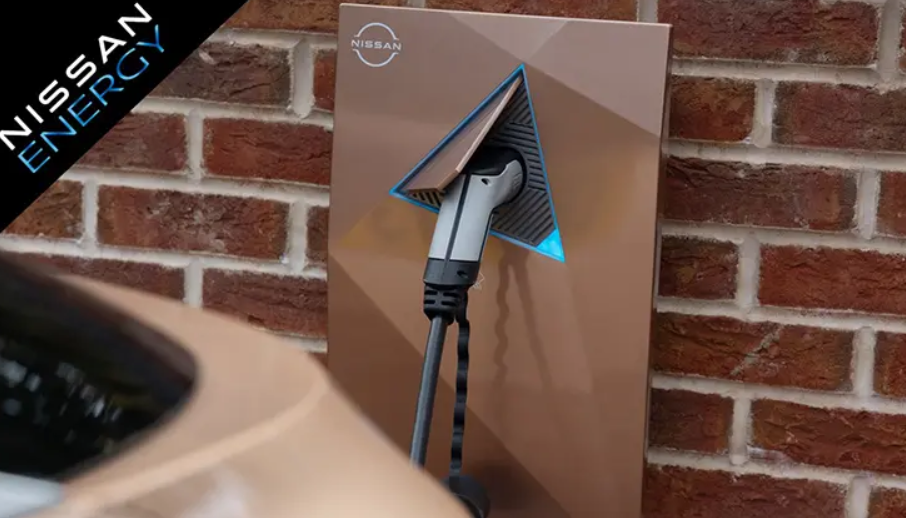
Nissan to launch low-cost Vehicle to Grid technology in 2026

Nissan announced it will launch affordable on-board bi-directional charging on selected electric vehicles starting in 2026. The Vehicle to Grid (V2G) technology allows EV owners

Read More »

CATL launches its ‘Freevoy Super Hybrid Battery’ for EREVs and PHEVs

CATL has announced the launch of the Freevoy Super Hybrid Battery, a hybrid vehicle battery that reportedly achieves a pure electric range of over 400

Read More »

Lyten planning $1B lithium-sulfur battery gigafactory in Nevada, up to 10 GWh per year

Lyten plans to invest over $1 billion to build the world’s first Lithium-Sulfur battery gigafactory. The facility will be located near Reno, Nevada, with the

Read More »

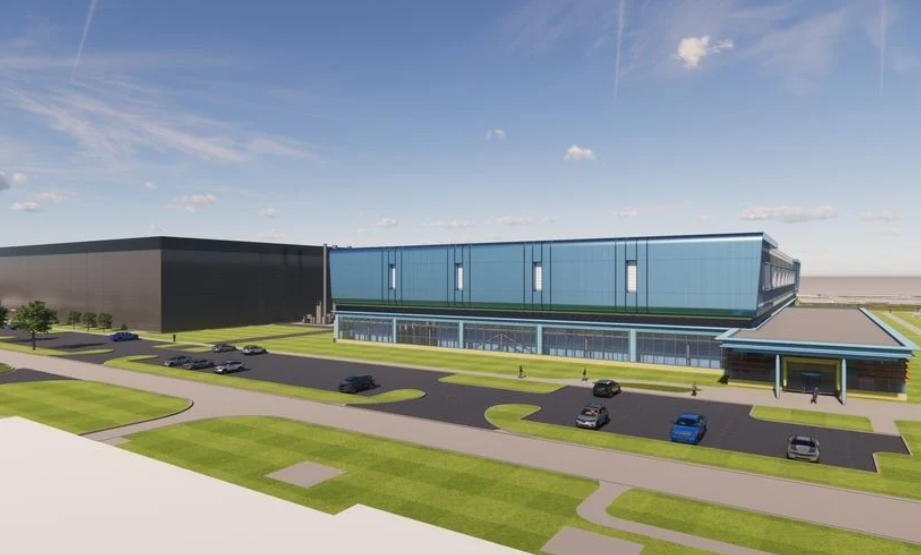
General Motors is planning a $145M battery cell prototype center in Warren, MI

General Motors plans to build a $145 million battery cell prototype center at its Global Technical Center campus in Warren, construction is expected to begin

Read More »

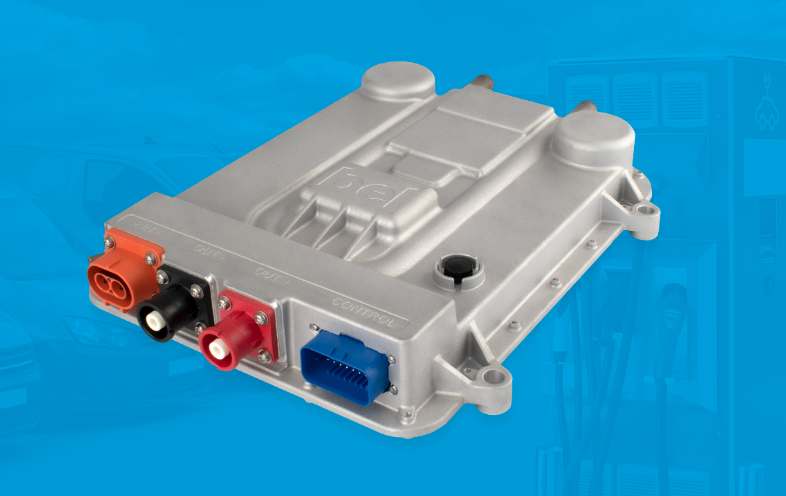
Bel Fuse launches 4kW liquid-cooled DC-DC converter for rugged EVs

Bel Fuse Inc announced the launch of the 350DNG40-12-8, a 2nd generation 4 kW liquid-cooled DC-DC converter. This converter operates from 240 to 450 VDC

Read More »

Forge Nano nabs $10M investment from GM to enhance battery cathode materials

Forge Nano announced a $10M investment from GM Ventures, adding to its recent $50 million Series C, which included participation from Hanwha, Orion Infrastructure Capital,

Read More »

Form Energy nabs $150M from DOE for its West Virginia battery plant

The U.S. Department of Energy’s Office of Manufacturing and Energy Supply Chains has selected Form Energy for an award of up to $150 million under

Read More »

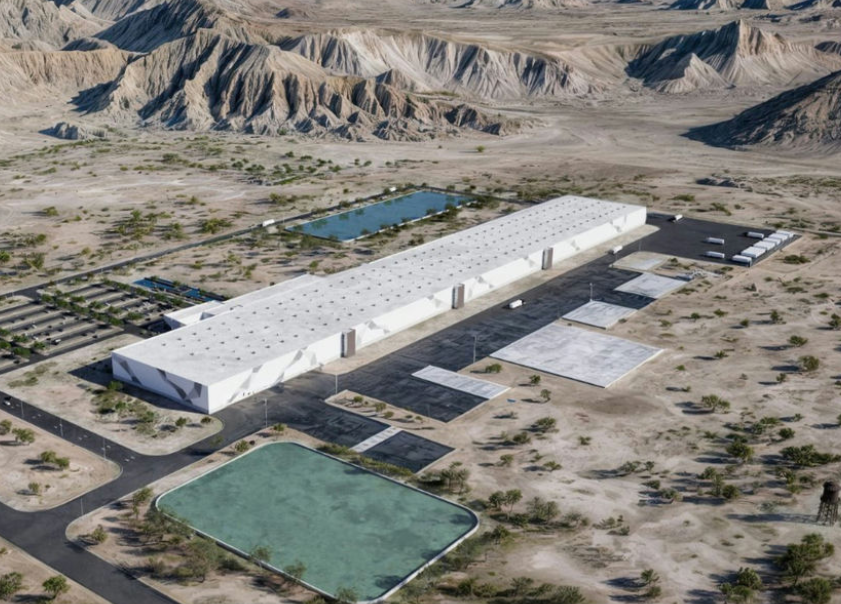
KORE Power nabs conditional commitment for $850M from DOE for its battery factory in Arizona, production planned for 2024/2025

KORE Power, Inc. (KORE) has received a conditional commitment from the U.S. Department of Energy’s Loan Programs Office (LPO) for a loan in the principal

Read More »

LEM launches SOC estimation sensor for EVs

LEM has announced the launch of its new Single Monitoring Unit (SMU) sensor family, designed to enhance the performance of Full Hybrid Electric Vehicles (FHEVs),

Read More »

New LEM sensor for accurate SOC estimation across all EV technologies

SMU sensor family provides designers of automotive battery management systems with a single solution for the needs of FHEV, PHEV and BEV technologies LEM (SIX:LEHN)

Read More »

Yokogawa to Release the Lightweight, Energy Efficient OpreX Battery Web Gauge ES-5 for the Production of Battery Electrode Sheets | Yokogawa America

Yokogawa Electric Corporation announces the development of the OpreX™ Battery Web Gauge ES-5, set to be released in January 2025 as part of the OpreX

Read More »

LEM launches SOC estimation sensor for EVs

LEM has announced the launch of its new Single Monitoring Unit (SMU) sensor family, designed to enhance the performance of Full Hybrid Electric Vehicles (FHEVs),

Read More »

Nissan to launch low-cost Vehicle to Grid technology in 2026

Nissan announced it will launch affordable on-board bi-directional charging on selected electric vehicles starting in 2026. The Vehicle to Grid (V2G) technology allows EV owners

Read More »

CATL launches its ‘Freevoy Super Hybrid Battery’ for EREVs and PHEVs

CATL has announced the launch of the Freevoy Super Hybrid Battery, a hybrid vehicle battery that reportedly achieves a pure electric range of over 400

Read More »

Lyten planning $1B lithium-sulfur battery gigafactory in Nevada, up to 10 GWh per year

Lyten plans to invest over $1 billion to build the world’s first Lithium-Sulfur battery gigafactory. The facility will be located near Reno, Nevada, with the

Read More »

General Motors is planning a $145M battery cell prototype center in Warren, MI

General Motors plans to build a $145 million battery cell prototype center at its Global Technical Center campus in Warren, construction is expected to begin

Read More »

Bel Fuse launches 4kW liquid-cooled DC-DC converter for rugged EVs

Bel Fuse Inc announced the launch of the 350DNG40-12-8, a 2nd generation 4 kW liquid-cooled DC-DC converter. This converter operates from 240 to 450 VDC

Read More »

Forge Nano nabs $10M investment from GM to enhance battery cathode materials

Forge Nano announced a $10M investment from GM Ventures, adding to its recent $50 million Series C, which included participation from Hanwha, Orion Infrastructure Capital,

Read More »

Form Energy nabs $150M from DOE for its West Virginia battery plant

The U.S. Department of Energy’s Office of Manufacturing and Energy Supply Chains has selected Form Energy for an award of up to $150 million under

Read More »

KORE Power nabs conditional commitment for $850M from DOE for its battery factory in Arizona, production planned for 2024/2025

KORE Power, Inc. (KORE) has received a conditional commitment from the U.S. Department of Energy’s Loan Programs Office (LPO) for a loan in the principal

Read More »