Interview: Schaeffler’s New 3-in-1 Electric Beam Axle and TriFinity Bearings for Medium/Heavy-Duty EVs

With Jeff Hemphill – CTO Schaeffler Americas

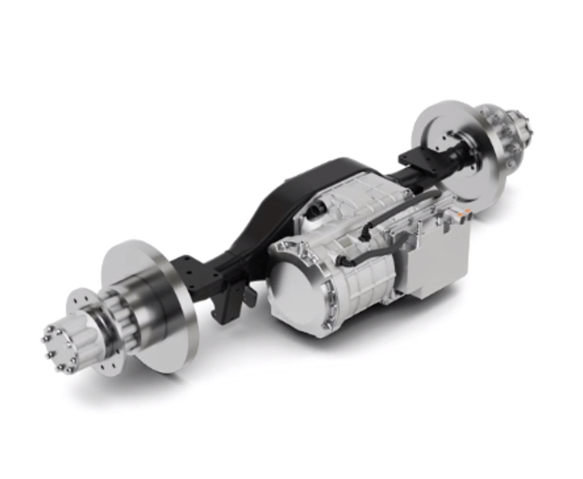
The electric rigid beam axle is a 3-in-1 unit with a Schaeffler motor, SiC inverter, and transmission. It’s purpose-built for medium-duty EVs.


It features a banjo-style axle allowing for lightweight power unit materials, saving unsprung mass to help with vehicle dynamics. It has a modular setup possible due to the separation of the load-carrying beam and power unit. 

Thanks!

You should receive an email from Jeremy@EVTechInsider.com

Can you check to make sure you received it? 

The continuous power radial flux motor adds capability for heavy-duty driving and hauling, with a low NVH helical gear set matched with open e-locker or limited-slip differential options. It uses a water and oil-cooled permanent magnet synchronous motor with hairpin windings. We offer both single and 2-speed transmission options and a full float axle with single or dual rear wheel options. 

The max torque is 27,000Nm, max power 290kW, and gross axle weight rating of up to 8,000kg.

Power Electronics

It has an integrated 800V SiC inverter, which is becoming standard for medium-duty applications. 

It’s not our first combination unit, but part of what allowed us to develop this one was our recent acquisition of power electronics maker Vitesco.

Transmission

It’s a two-stage spur gear arrangement, with a ratio of 12 and 1⁄2. We get the motor speeds around 20,000rpm and are still able to create the torque needed to move heavy vehicles. 

One unique component is that it’s a two-piece modular construction. The gearbox and electric motor are bolted together into one single housing, simplifying the design.

In the case you have several pickup trucks or delivery vans with 2 or 3 power levels, you can use the same sheet metal housing for all of the vehicles, and just change out the motor assembly to match the power levels you need. 

Conventional beam axles have fallen into fairly standard designs, and we think ours will displace those while keeping the same modularity. Schaeffler can innovate new technologies like this because it’s all hands on deck, with design and process engineers working at one table to build these units from the ground up. 

Can you talk about the New TriFinity bearings that it uses?

The new TriFinity bearings solve two key issues, drag and durability for heavy-loaded trucks.
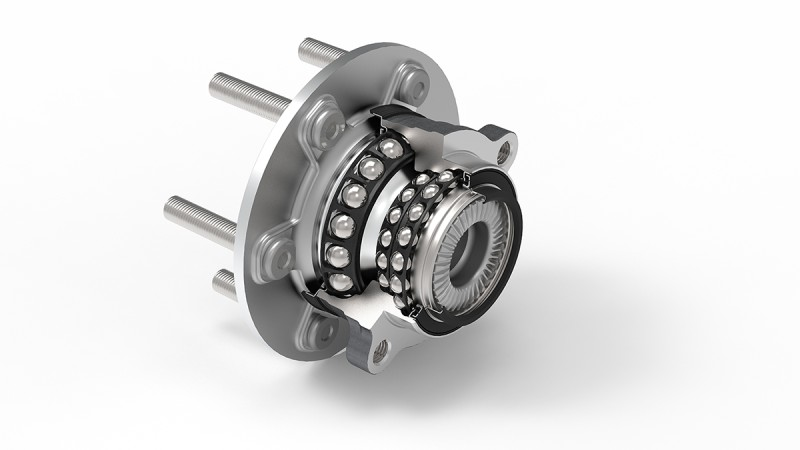
Years ago, most vehicle wheel bearings were tapered roller bearings, which are very durable. You can abuse them, which is why they are the industry standard for applications like railroad cars. They’re great in that respect, but when fuel economy became a bigger issue, Schaeffler began developing two-row ball bearings to improve efficiency.

Any vehicle lighter than a pickup truck is likely to use two-row ball bearings, and they give a substantial drag reduction, something to the order of 50-60% reduction at the wheel. These achieve around 3-5% increased range versus tapered.

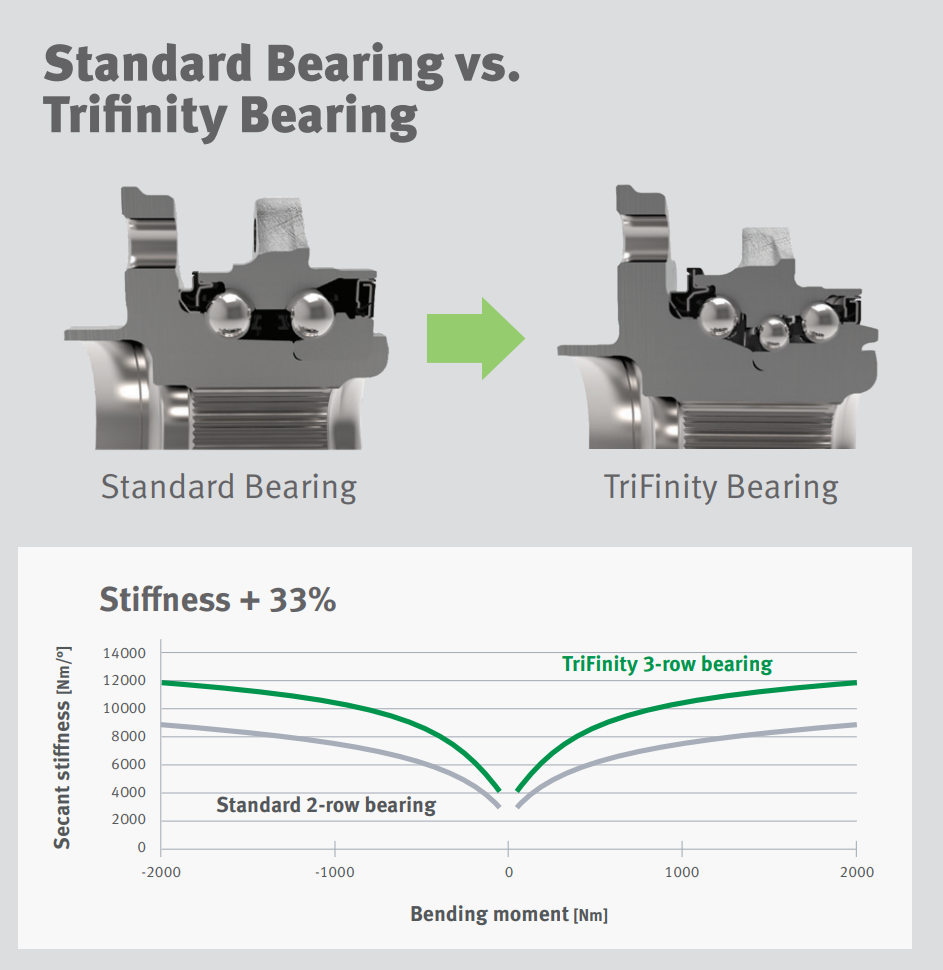
However, there are challenges with two-row ball versions, especially in trucks with heavier mass, which puts additional stress on the bearings. Here in Ohio for example, if you lose control in the snow and hit a curb, you need a strong enough bearing to withstand the force without failure. To solve this, we introduced a third row of balls to share that load. Most of the time the primary load passes through the two-row arrangement, similar to what’s used in a passenger car. However, if the vehicle is heavily loaded, or you get into a small accident, the load is shared across three rows. 

This new design has a similar drag reduction and achieves the same 3-5% increase in range, depending on the vehicle. That’s substantial for EVs, especially in fleet terms. With the increase in efficiency, you also grant additional design flexibility for the powertrain. The designer can choose to size the battery pack down and keep the same range, or keep it the same pack size and increase range, however you prefer to slice it.

We’re happy to have designed a better solution to replace tapered roller bearings in electric trucks. 
There are 3 designs of the TriFinity Bearing, can you walk us through those?

Depending on the OEM design goals, we have three solutions:
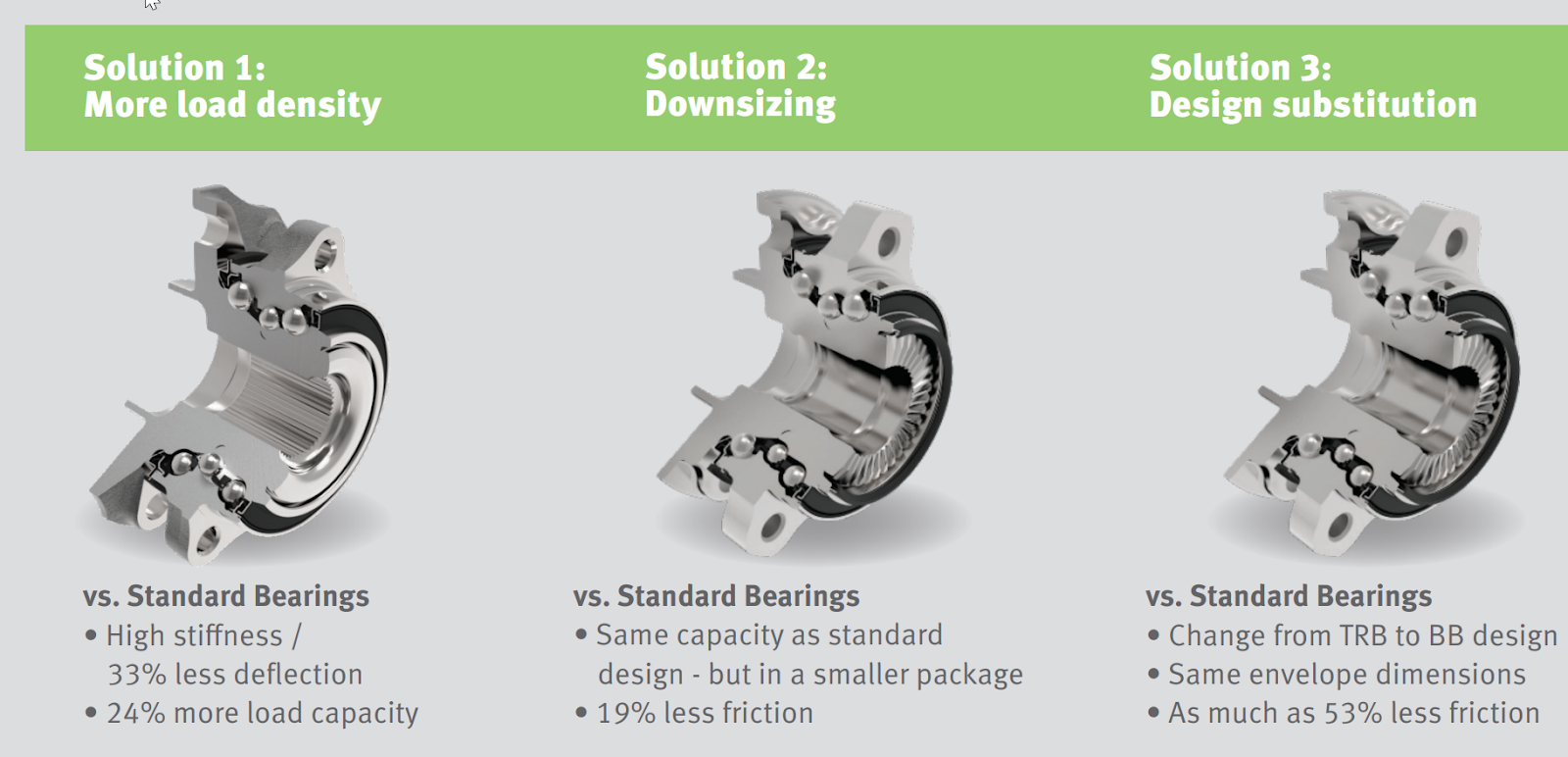
One interesting difference between these designs is that in the second and third solutions, there’s a spline on the face of the bearing (see arrows below), whereas the first design has a smooth surface near the center of the hub. Normally in passenger cars, you’d use the first solution, and you’d see a radial spline down to the center of the bearing, put a splined shaft into that, with a bolt to link it together. 
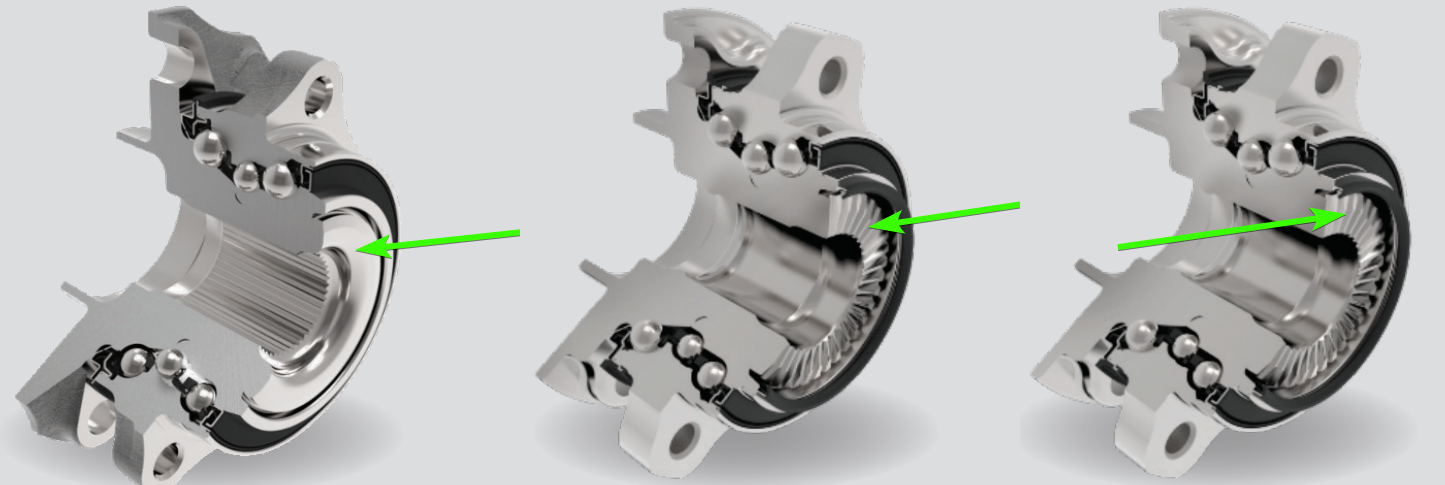
With the latter two options using a face spline, we’ve eliminated the shaft. This saves mass and space, and it’s much simpler to assemble. The shaft is typically only a couple of inches long, which makes it difficult to swing the knuckle out, get the shaft in, and then apply the nut. With these designs, we simply have a mating face spline, and you just bolt those parts together. There’s no insertion to manage, just tighten the bolt and away you go. 

In heavy-duty work trucks, they may want increased load capacity of the bearings, and in lighter-duty vehicles typically the OEM is interested in that friction advantage, hence why we offer multiple solutions.

Can you talk about some of the validation of the new designs?

Schaeffler’s deep history of bearing development gives us a huge advantage, we’ve developed many years of IP that we can apply to new market challenges. 

We have a comprehensive list of tests for all of our bearings, one example for wheel bearings is our operating under contamination testing. Think of blowing a stream of salt water with dirt mixed all over the bearing under temperature for many more hours than you would see in the field. This gives us validation that the seal will hold under environmental stress. 

Additionally, the bearings are put through several load tests to ensure they maintain low friction and durability. 

Special thanks to Jeff Hemphill for the interview!

Get the latest ev tech news

Thanks!

You should receive an email from Jeremy@EVTechInsider.com

Can you check to make sure you received it? 

Thanks!

You should receive an email from Jeremy@EVTechInsider.com

Can you check to make sure you received it? 

If you enjoy learning about new EV technology like this, check out our EV whitepaper and webinar library here.

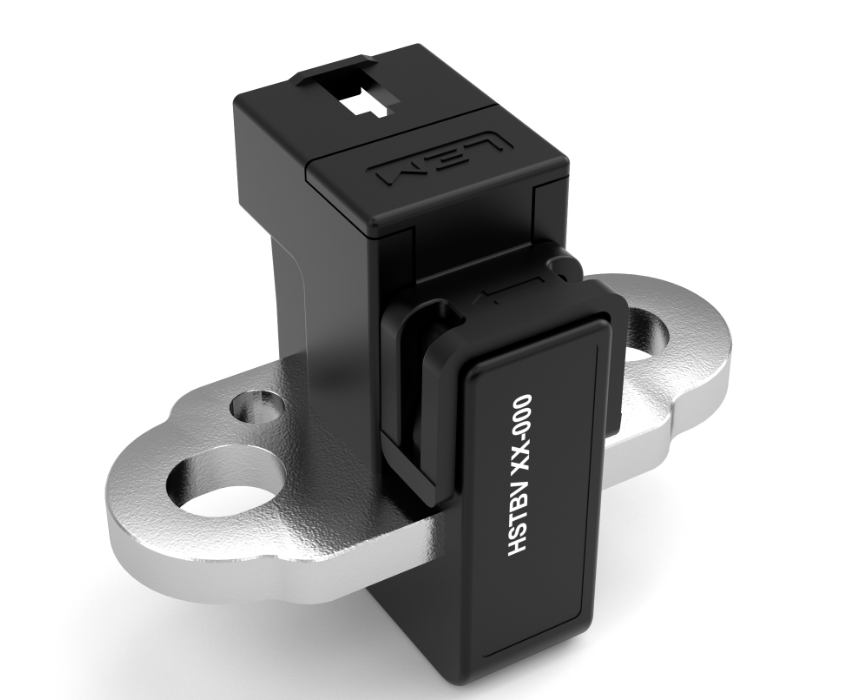
LEM launches SOC estimation sensor for EVs

LEM has announced the launch of its new Single Monitoring Unit (SMU) sensor family, designed to enhance the performance of Full Hybrid Electric Vehicles (FHEVs),

Read More »

New LEM sensor for accurate SOC estimation across all EV technologies

SMU sensor family provides designers of automotive battery management systems with a single solution for the needs of FHEV, PHEV and BEV technologies LEM (SIX:LEHN)

Read More »

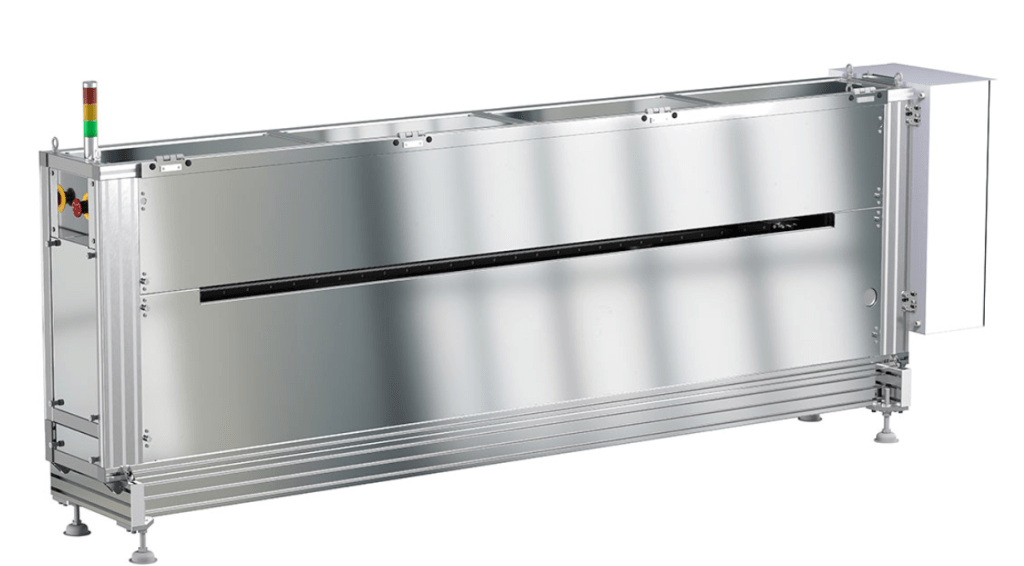
Yokogawa to Release the Lightweight, Energy Efficient OpreX Battery Web Gauge ES-5 for the Production of Battery Electrode Sheets | Yokogawa America

Yokogawa Electric Corporation announces the development of the OpreX™ Battery Web Gauge ES-5, set to be released in January 2025 as part of the OpreX

Read More »

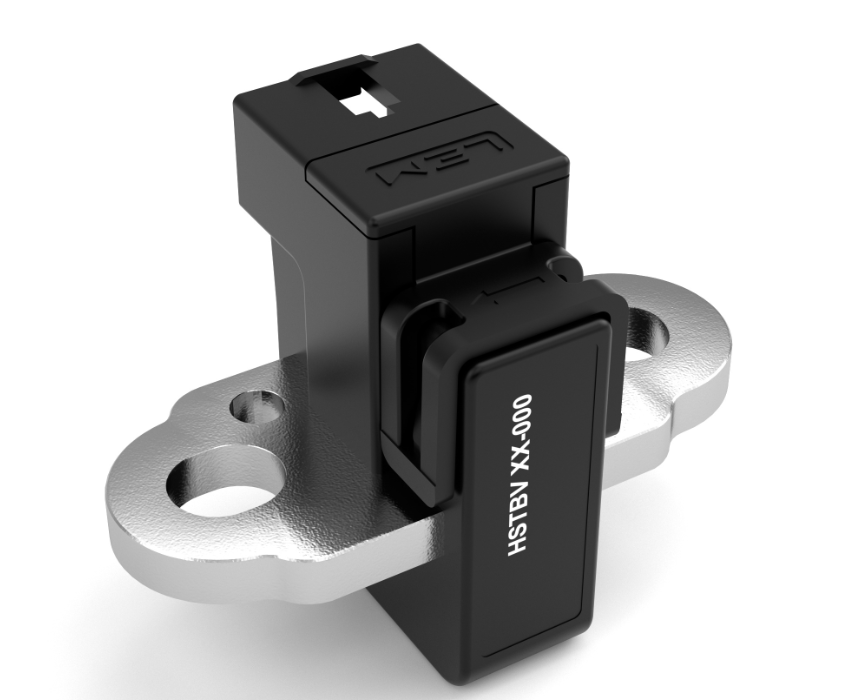
LEM launches SOC estimation sensor for EVs

LEM has announced the launch of its new Single Monitoring Unit (SMU) sensor family, designed to enhance the performance of Full Hybrid Electric Vehicles (FHEVs),

Read More »

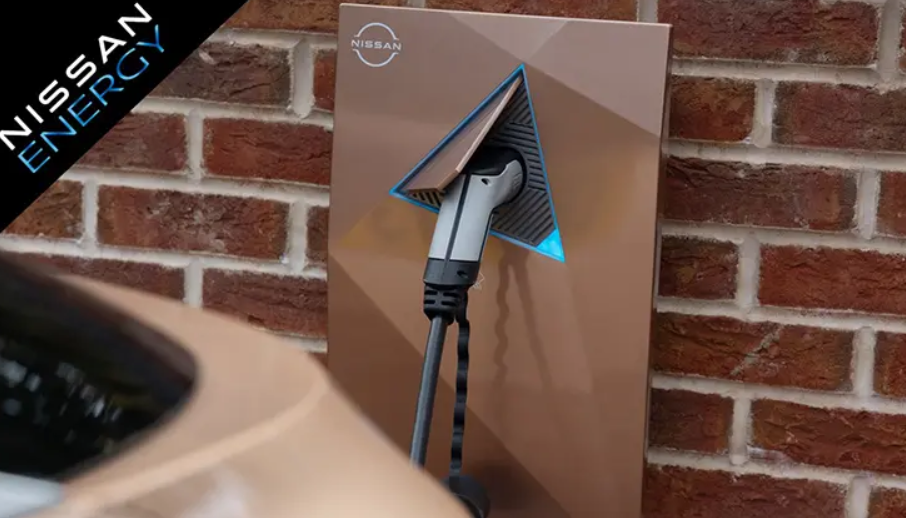
Nissan to launch low-cost Vehicle to Grid technology in 2026

Nissan announced it will launch affordable on-board bi-directional charging on selected electric vehicles starting in 2026. The Vehicle to Grid (V2G) technology allows EV owners

Read More »

CATL launches its ‘Freevoy Super Hybrid Battery’ for EREVs and PHEVs

CATL has announced the launch of the Freevoy Super Hybrid Battery, a hybrid vehicle battery that reportedly achieves a pure electric range of over 400

Read More »

Lyten planning $1B lithium-sulfur battery gigafactory in Nevada, up to 10 GWh per year

Lyten plans to invest over $1 billion to build the world’s first Lithium-Sulfur battery gigafactory. The facility will be located near Reno, Nevada, with the

Read More »

General Motors is planning a $145M battery cell prototype center in Warren, MI

General Motors plans to build a $145 million battery cell prototype center at its Global Technical Center campus in Warren, construction is expected to begin

Read More »

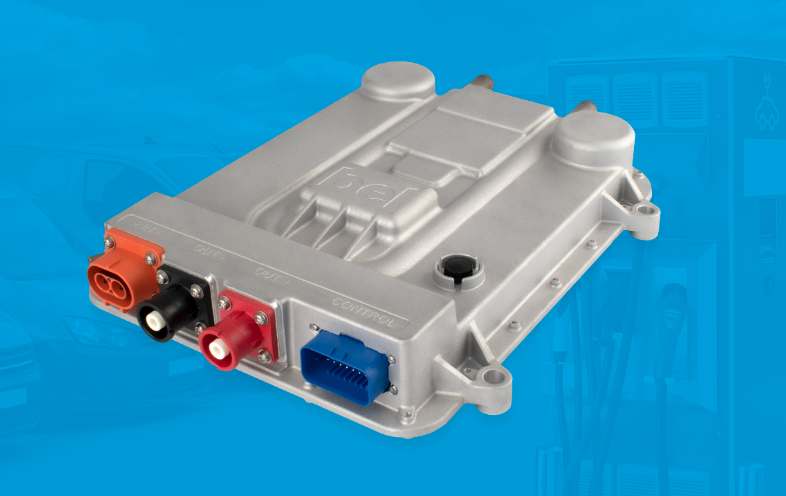
Bel Fuse launches 4kW liquid-cooled DC-DC converter for rugged EVs

Bel Fuse Inc announced the launch of the 350DNG40-12-8, a 2nd generation 4 kW liquid-cooled DC-DC converter. This converter operates from 240 to 450 VDC

Read More »

Forge Nano nabs $10M investment from GM to enhance battery cathode materials

Forge Nano announced a $10M investment from GM Ventures, adding to its recent $50 million Series C, which included participation from Hanwha, Orion Infrastructure Capital,

Read More »

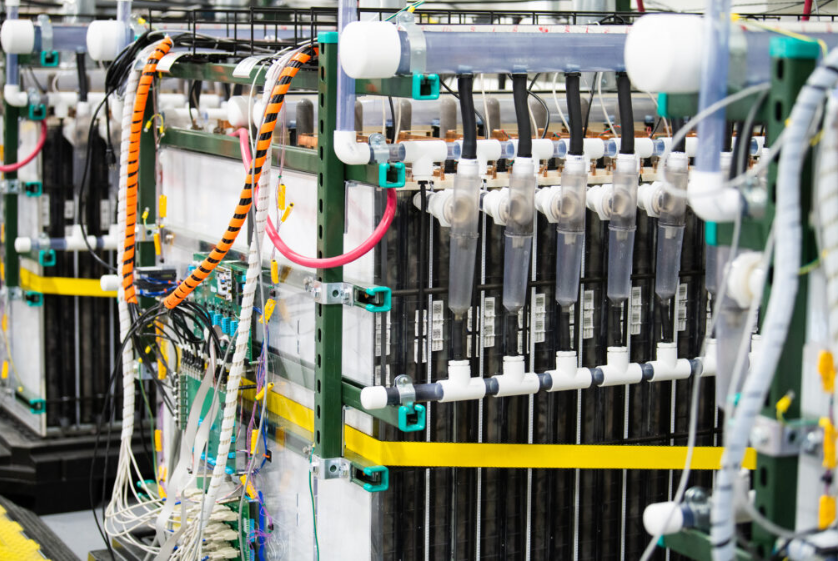
Form Energy nabs $150M from DOE for its West Virginia battery plant

The U.S. Department of Energy’s Office of Manufacturing and Energy Supply Chains has selected Form Energy for an award of up to $150 million under

Read More »

KORE Power nabs conditional commitment for $850M from DOE for its battery factory in Arizona, production planned for 2024/2025

KORE Power, Inc. (KORE) has received a conditional commitment from the U.S. Department of Energy’s Loan Programs Office (LPO) for a loan in the principal

Read More »

LEM launches SOC estimation sensor for EVs

LEM has announced the launch of its new Single Monitoring Unit (SMU) sensor family, designed to enhance the performance of Full Hybrid Electric Vehicles (FHEVs),

Read More »

New LEM sensor for accurate SOC estimation across all EV technologies

SMU sensor family provides designers of automotive battery management systems with a single solution for the needs of FHEV, PHEV and BEV technologies LEM (SIX:LEHN)

Read More »

Yokogawa to Release the Lightweight, Energy Efficient OpreX Battery Web Gauge ES-5 for the Production of Battery Electrode Sheets | Yokogawa America

Yokogawa Electric Corporation announces the development of the OpreX™ Battery Web Gauge ES-5, set to be released in January 2025 as part of the OpreX

Read More »

LEM launches SOC estimation sensor for EVs

LEM has announced the launch of its new Single Monitoring Unit (SMU) sensor family, designed to enhance the performance of Full Hybrid Electric Vehicles (FHEVs),

Read More »

Nissan to launch low-cost Vehicle to Grid technology in 2026

Nissan announced it will launch affordable on-board bi-directional charging on selected electric vehicles starting in 2026. The Vehicle to Grid (V2G) technology allows EV owners

Read More »

CATL launches its ‘Freevoy Super Hybrid Battery’ for EREVs and PHEVs

CATL has announced the launch of the Freevoy Super Hybrid Battery, a hybrid vehicle battery that reportedly achieves a pure electric range of over 400

Read More »

Lyten planning $1B lithium-sulfur battery gigafactory in Nevada, up to 10 GWh per year

Lyten plans to invest over $1 billion to build the world’s first Lithium-Sulfur battery gigafactory. The facility will be located near Reno, Nevada, with the

Read More »

General Motors is planning a $145M battery cell prototype center in Warren, MI

General Motors plans to build a $145 million battery cell prototype center at its Global Technical Center campus in Warren, construction is expected to begin

Read More »

Bel Fuse launches 4kW liquid-cooled DC-DC converter for rugged EVs

Bel Fuse Inc announced the launch of the 350DNG40-12-8, a 2nd generation 4 kW liquid-cooled DC-DC converter. This converter operates from 240 to 450 VDC

Read More »

Forge Nano nabs $10M investment from GM to enhance battery cathode materials

Forge Nano announced a $10M investment from GM Ventures, adding to its recent $50 million Series C, which included participation from Hanwha, Orion Infrastructure Capital,

Read More »

Form Energy nabs $150M from DOE for its West Virginia battery plant

The U.S. Department of Energy’s Office of Manufacturing and Energy Supply Chains has selected Form Energy for an award of up to $150 million under

Read More »

KORE Power nabs conditional commitment for $850M from DOE for its battery factory in Arizona, production planned for 2024/2025

KORE Power, Inc. (KORE) has received a conditional commitment from the U.S. Department of Energy’s Loan Programs Office (LPO) for a loan in the principal

Read More »